
Pelvic Floor Health: It's Not Just About Kegels! What We Learnt at Our Redditch Workshop
Pelvic Floor Health: It's Not Just About Kegels! What We Learnt at Our Redditch Workshop
Understanding your pelvic floor, training effectively and why looking after these muscles matters more than you might think.
When was the last time you really thought about your pelvic floor?
Perhaps during pregnancy.
Maybe after having children.
Possibly when somebody mentioned doing your pelvic floor exercises.
Or perhaps it's something you've never really given much thought to at all.
Yet our pelvic floor plays an incredibly important role in everyday life, from supporting our bladder and bowel to helping us manage pressure when lifting, exercising, coughing and even laughing.
And here's something that surprises a lot of people...
Pelvic floor health isn't simply about doing more Kegels!
That's exactly why I wanted to bring a specialist pelvic floor workshop to RL Fitness in Redditch.
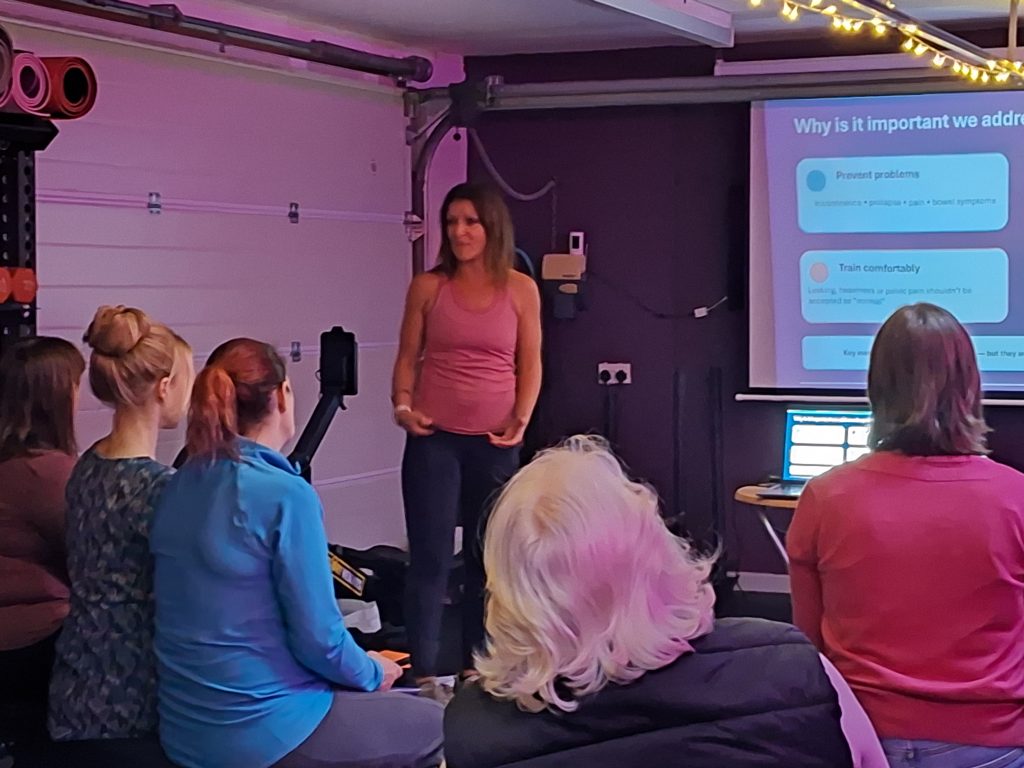
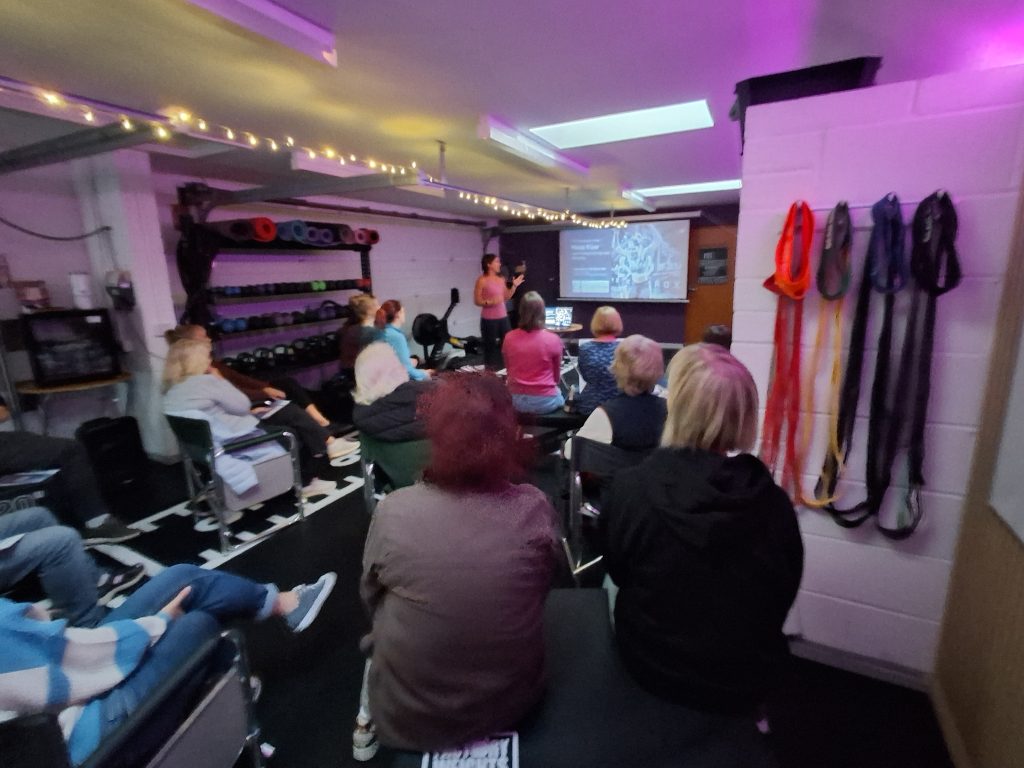
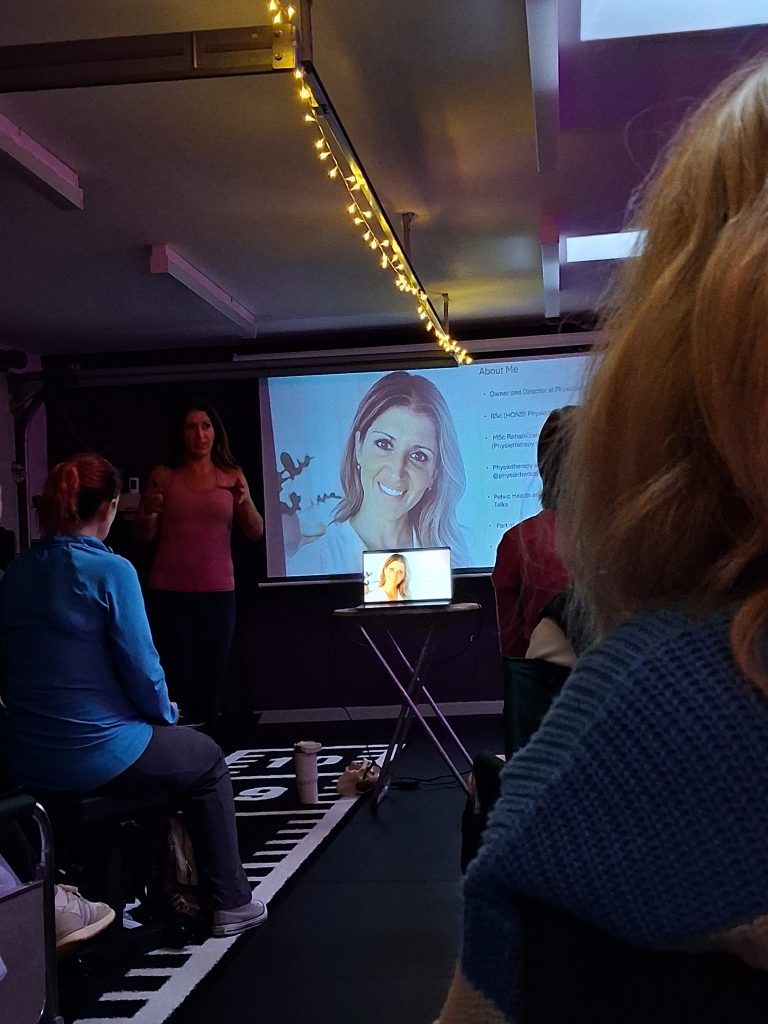
On Monday 5th October, we welcomed the wonderful Leila Holmes, a specialist pelvic health physiotherapist, to the studio for our first educational workshop.
And what an evening it was!
With a fully booked room, fantastic engagement and plenty of interesting questions, it was lovely to see so many people wanting to understand their bodies better.
But what made the evening particularly valuable wasn't simply learning about the pelvic floor.
It was understanding how that knowledge can help us move, train and look after ourselves more effectively.
So, whether you joined us on the evening or couldn't make it, I wanted to share some of the important information behind what we discussed.
What Actually Is Your Pelvic Floor?
Let's start with the basics.
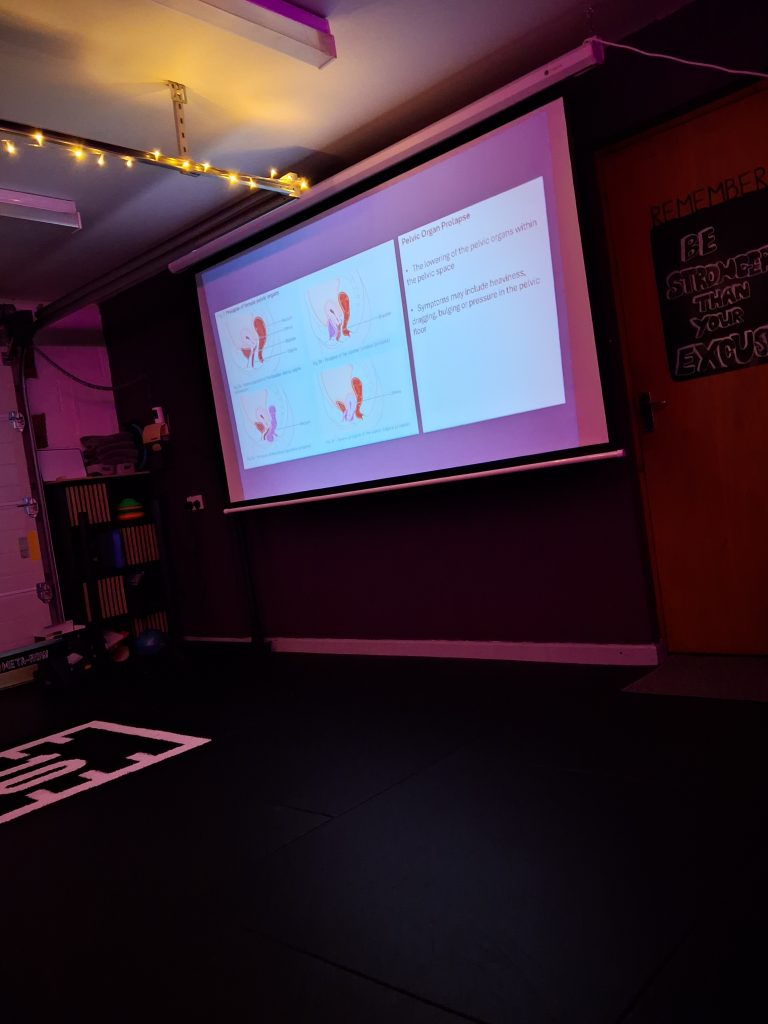
Your pelvic floor is a group of muscles and connective tissues that sit at the bottom of your pelvis.
Think of them as a supportive hammock stretching between the pubic bone at the front and the tailbone at the back.
These muscles have several important jobs.
They help:
- Support the bladder, bowel and, in women, the uterus.
- Maintain bladder and bowel control.
- Contribute to sexual function.
- Work alongside the diaphragm, abdominal muscles and other trunk muscles to manage pressure and support movement.
But here's the really interesting part.
A healthy pelvic floor doesn't just need to be strong. It also needs to be able to relax, lengthen and coordinate effectively.
Just like other muscles in our body, pelvic floor muscles need to work appropriately for the task we're asking them to perform.
And that's where things become a little more interesting than simply squeezing!
Why Pelvic Floor Health Isn't Just About Kegels
For years, many of us have heard the same advice.
"Do your pelvic floor exercises."
"Squeeze and hold."
"Do your Kegels."
And while pelvic floor muscle training can be incredibly beneficial, there's something important that often gets overlooked.
Not every pelvic floor problem is caused by weak muscles.
Some people experience pelvic floor muscles that have difficulty relaxing or are overactive.
Others may struggle with coordination, endurance or the ability to contract their muscles effectively.
And sometimes, symptoms can involve a combination of different factors.
This is why simply doing more and more squeezing exercises isn't always the answer.
For somebody with an overactive or painful pelvic floor, repeatedly contracting the muscles without learning to relax them may be unhelpful and can sometimes aggravate symptoms.
A specialist pelvic health physiotherapist can assess what's happening and recommend the most appropriate approach.
So what does effective pelvic floor training involve?
Depending on individual needs, it may include:
- Learning how to correctly contract the pelvic floor.
- Practising a full release and relaxation between contractions.
- Building strength and endurance where appropriate.
- Improving coordination with breathing and movement.
- Understanding how to manage pressure during everyday activities and exercise.
One of the biggest takeaways from our workshop was recognising that pelvic floor training needs to be individual, just like any other exercise programme.
And that fits beautifully with how I approach coaching at RL Fitness.
Your Breathing and Pelvic Floor Work Together
This was another fascinating area to explore.
Your diaphragm, which is your main breathing muscle, works in coordination with your pelvic floor and abdominal muscles.
As you breathe in, your diaphragm moves downwards and the pelvic floor generally responds by lengthening slightly.
As you breathe out, the diaphragm moves upwards and the pelvic floor generally recoils.
These movements aren't completely identical for everyone, and they can change depending on posture, activity and effort.
But understanding this relationship can be useful when learning how to coordinate your breathing during exercise.
Try this gentle breathing awareness exercise
Find a comfortable seated or lying position.
- Relax your shoulders and jaw.
- Breathe in gently, allowing your lower ribs and abdomen to expand naturally.
- Notice whether you can allow your pelvic floor to soften rather than constantly holding tension.
- Breathe out slowly without forcing or straining.
- Repeat for a few comfortable breaths.
This is about developing awareness, not forcing your muscles to do anything.
And it's a lovely reminder that sometimes we need to learn how to relax muscles as well as strengthen them.
If you experience pelvic pain, difficulty relaxing or other symptoms, individual assessment is preferable to trying to correct the problem yourself.
What About Your Pelvic Floor When You're Lifting Weights?
This is particularly relevant to the work we do at RL Fitness.
I regularly coach people through strength training, whether that's in our group fitness classes, small group personal training or individual PT sessions.
And something I want people to understand is that having pelvic floor symptoms doesn't automatically mean you must stop strength training.
However, it may mean we need to look more closely at how you're training.
When we lift weights, our abdominal pressure changes.
Our pelvic floor helps respond to those changes alongside the rest of our trunk muscles.
For some people, certain exercises, heavier loads or high-impact movements may bring on symptoms such as leaking or a feeling of heaviness.
That's useful information.
It tells us that something may need assessing or adjusting.
Practical considerations when strength training
1. Pay attention to your breathing.
For many people, breathing out during the more demanding part of a lift can be a useful starting point. However, there isn't one breathing technique that suits every person or every lift.
2. Progress gradually.
Build strength and confidence over time rather than suddenly increasing weights or exercise intensity.
3. Notice symptoms.
Leaking, pelvic heaviness, discomfort or pain during exercise shouldn't simply be accepted as normal.
4. Adapt where needed.
Sometimes changing the load, pace, exercise variation or impact can make training more manageable while you seek appropriate advice.
5. Get specialist support when necessary.
A pelvic health physiotherapist can assess symptoms and help guide a safe, individual return to activities.
And this is something I feel strongly about as a coach.
Exercise should help you feel stronger and more capable, not leave you feeling worried about what your body might do.
The Signs Your Pelvic Floor Might Need Some Attention
This was one of the most important areas covered during our workshop.
Because many people experience symptoms for months, sometimes years, without realising support is available.
Some common signs of pelvic floor dysfunction include:
- Leaking urine when coughing, laughing, jumping or exercising.
- Sudden or difficult-to-control urges to urinate.
- A feeling of heaviness, dragging or a bulge in the vaginal area.
- Difficulty controlling wind or bowel movements.
- Pelvic pain or discomfort.
- Pain during sexual activity.
- Difficulty emptying the bladder or bowel.
These symptoms can have different causes and don't automatically mean your pelvic floor is weak.
And although some of these experiences are common, particularly around pregnancy, childbirth and menopause, common doesn't mean something you simply have to put up with.
There are effective treatments available for many pelvic floor conditions.
If you're experiencing symptoms, speaking with your GP or a specialist pelvic health physiotherapist is a sensible first step.
Pregnancy, Postnatal Recovery and Menopause: Why Pelvic Floor Health Matters
As a mum of two myself, and now someone navigating my own perimenopause journey, I know how easy it can be to put our own health somewhere near the bottom of the priority list.
But pelvic floor health deserves attention throughout life.
During pregnancy
Pregnancy places changing demands on the pelvic floor, including increased pressure as the baby grows.
Appropriate pelvic floor muscle training during pregnancy can help reduce the risk of urinary incontinence, particularly when undertaken correctly and consistently.
After childbirth
Whether you've had a vaginal birth or a caesarean, pregnancy and birth can affect your pelvic floor and abdominal function.
Recovery is individual, and returning to exercise should reflect your symptoms, healing and overall readiness.
During perimenopause and menopause
Hormonal changes, including declining oestrogen levels, can affect tissues around the bladder, urethra and vagina.
Some women notice urinary urgency, recurrent urinary symptoms or changes in bladder control.
Menopause isn't the only possible cause of these symptoms, but it's an important factor to consider.
And here's something I want to emphasise.
You don't need to stop being active because you're getting older or experiencing hormonal changes.
You may simply need better information, appropriate exercise modifications or specialist support.
It's Not All About the Pelvic Floor in Isolation
One of the lovely practical elements of our workshop involved exploring movement and mobility around the hips and surrounding areas.
We looked at gentle ways to loosen through the hips and become more aware of how different parts of the body work together.
Your pelvic floor doesn't operate independently from the rest of you.
Breathing, posture, movement and the surrounding muscles all contribute to how we manage everyday activities.
That doesn't mean tight hips automatically cause pelvic floor problems, or that stretching will cure pelvic floor dysfunction.
But comfortable, controlled movement can form part of a broader approach to physical wellbeing.
It's one of the reasons I love incorporating mobility work into training at RL Fitness.
We're not simply training individual muscles.
We're helping the body move more confidently and effectively as a whole.
What Made Our First RL Fitness Workshop So Special?
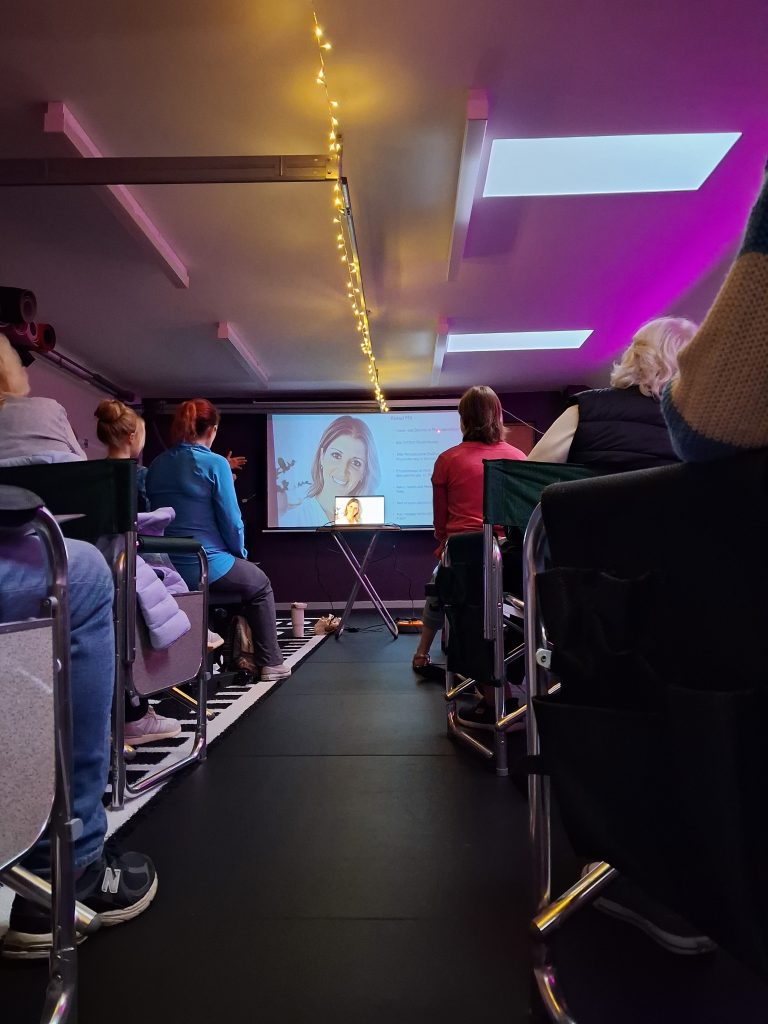
For me, one of the highlights of the evening was seeing how engaged everyone was.
We had a full studio, lots of questions and some really valuable conversations.
And that's exactly what I hoped these workshops would create.
An opportunity to learn.
To ask questions we might otherwise feel embarrassed about.
To challenge things we've been told for years.
And to leave with a better understanding of our own bodies.
I'm incredibly grateful to Leila Holmes for sharing her specialist knowledge with everyone who attended.
As a personal trainer with additional training in pre- and postnatal exercise, menopause coaching and pelvic floor health, I believe it's important to keep learning and to recognise when specialist healthcare expertise is needed.
Working alongside professionals such as pelvic health physiotherapists helps us offer better education and signpost people towards the right support.
Because good coaching isn't about pretending to know everything. It's about understanding your own area of expertise and helping people access the knowledge they need.
Three Things I'd Love You to Take Away
If you remember nothing else from this blog, I'd love you to remember these three things.
1. Your pelvic floor needs to be able to contract AND relax.
More squeezing isn't always better. Correct technique and individual needs matter.
2. Leaking, pain or pelvic heaviness shouldn't simply be dismissed.
These symptoms deserve attention, and there are treatments and support available.
3. You can still work towards becoming stronger and fitter.
Pelvic floor concerns don't necessarily mean giving up exercise. With appropriate assessment and modifications, many people can continue enjoying movement and strength training.
What's Next for RL Fitness Workshops?
This was our very first educational workshop at RL Fitness, and judging by the engagement and feedback, it's certainly something I'd love to continue.
My goal has always been to create more than somewhere people simply come to exercise.
I want RL Fitness to be a place where people can learn about their health, understand their bodies and build confidence in looking after themselves.
From women's health and menopause to strength training, mobility, nutrition and healthy ageing, there are so many important conversations worth having.
So keep an eye on our website and social media pages for future workshops and events.
And if there's a health or fitness topic you'd love us to explore, please do let me know!
Looking for Support With Fitness and Women's Health in Redditch?
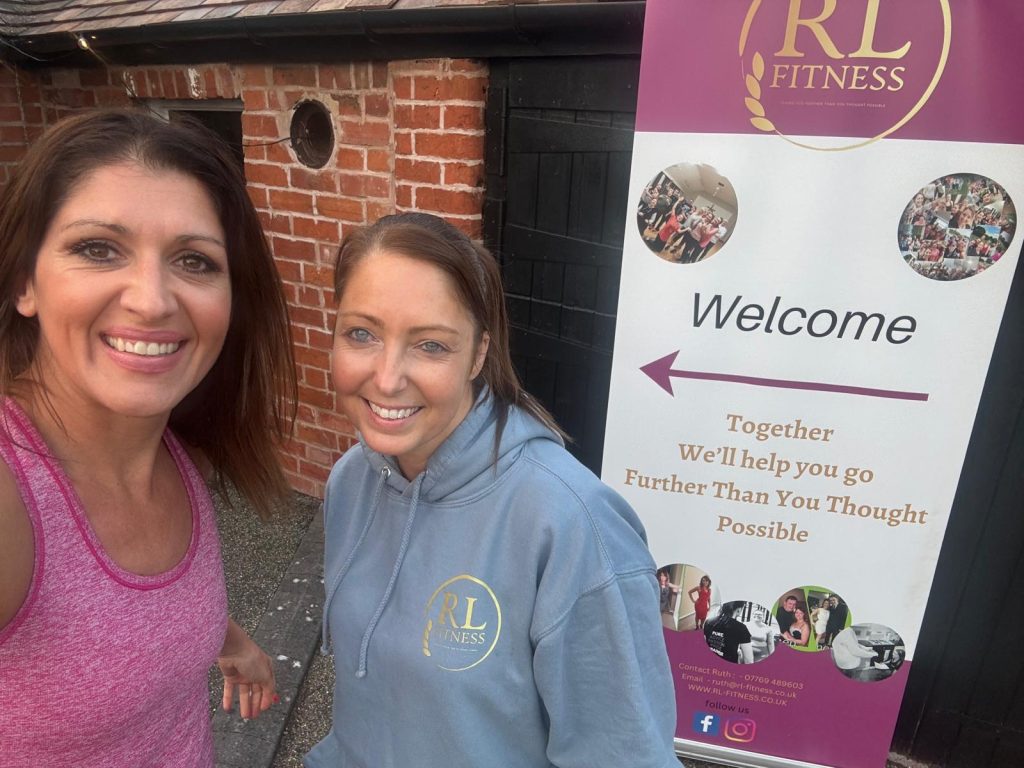
At RL Fitness in Redditch, I offer personal training, small group personal training and supportive fitness classes designed to help people build strength, improve confidence and enjoy moving their bodies.
Alongside my personal training qualifications, I have additional training in menopause coaching, pre- and postnatal exercise and pelvic floor health.
Whether you're returning to exercise after having a baby, navigating perimenopause or menopause, or simply wanting to feel stronger and healthier, my approach is always about meeting you where you are.
And where symptoms need specialist assessment, I'll always encourage you to seek support from an appropriately qualified healthcare professional.
You don't have to know everything about your body before you start looking after it.
Sometimes the first step is simply asking the right questions.
RL Fitness – Taking you further than you thought possible.